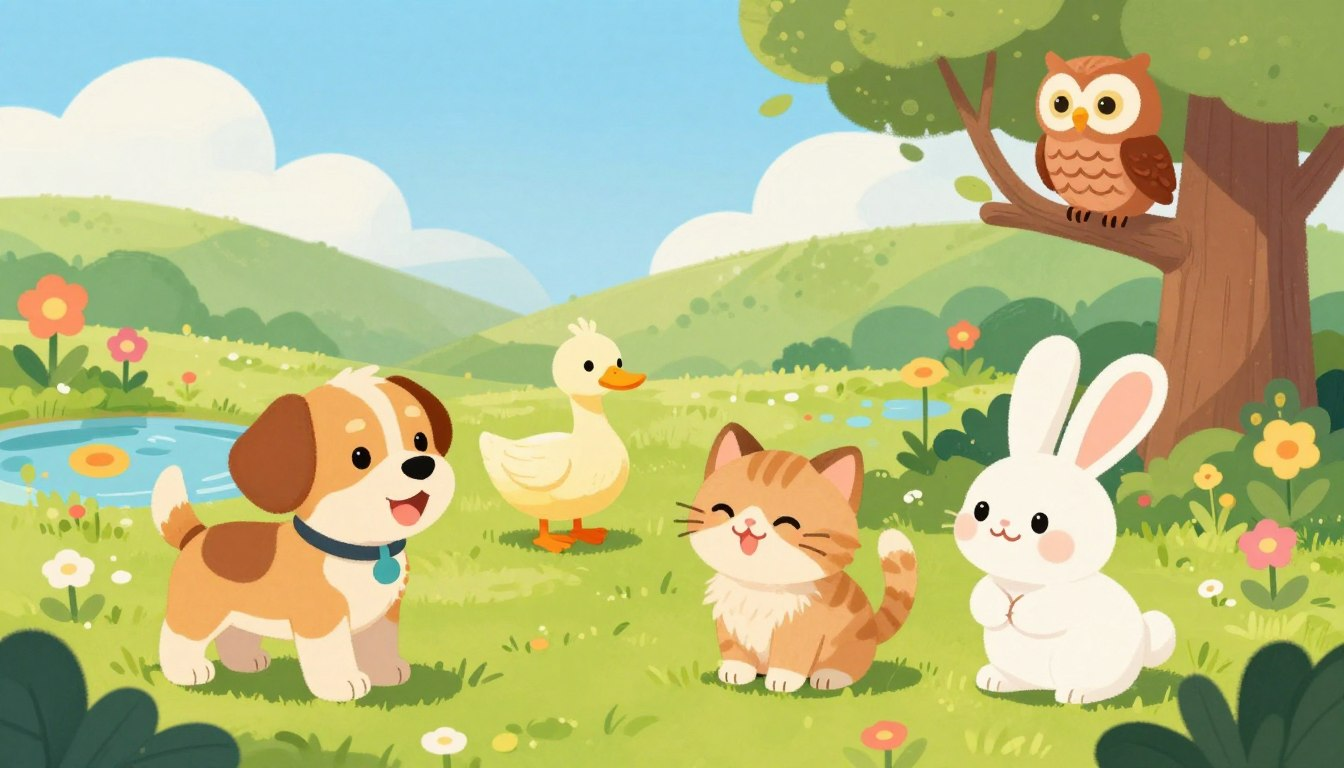
Parents use Instagram to find fun ways to help their kids talk better. By using pictures and play, your child learns new words. It makes learning fun, not boring.
Our guide shows you how to teach 40 different animals. These proven techniques help your child learn to talk better. You can do these simple activities anywhere, making every day a chance to learn. Begin today and see your child’s confidence grow as they learn new sounds.
Why English animals for toddlers are essential for language development

Learning about english animals for toddlers helps a lot with talking early. When your child knows a creature and its sound, they’re doing more than playing. They’re building important brain paths for learning words.
Studies say linking sounds with animal names helps kids sort out info well. This boosts their phonetic awareness, which is key for reading and speaking later. By focusing on these fun topics, learning feels like part of their daily fun.
Many parents use Instagram for ideas on teaching these lessons. Creators share easy tips that make learning fun. You can find ways to make these lessons part of your daily life, keeping your child interested and happy.
Starting early with english animals for toddlers helps a lot with talking later. By practicing these sounds and names, your child gets braver in speaking. This fun way of learning strengthens your bond and prepares your child for learning all their life.
Farmyard friends: Teaching domestic animal names and sounds

You can make your living room feel like a farm. This helps your toddler learn about animals. These animals are often seen in books and farms.
Sharing toddler-friendly animal facts keeps your child interested. When you say names and sounds clearly, your child will try to do the same. This helps them feel confident and remember new words.
Cows, pigs, and sheep
Start with big, gentle animals like cows, pigs, and sheep. Make the “moo” sound for cows and “baa” for sheep. This grabs your child’s attention.
- Cows: These big animals love to eat grass all day.
- Pigs: They make funny “oink” sounds and love mud.
- Sheep: They have soft wool that keeps them warm.
Learning about these animals is like playing a game. Act out their movements to help your child connect sounds with actions.
Horses, chickens, and ducks
When your child gets used to the pasture animals, introduce barn and pond animals. These animals have fun sounds for toddlers to practice.
- Horses: They are strong and say “neigh”.
- Chickens: They cluck and scratch for seeds.
- Ducks: They swim and say “quack”.
Remember, repetition is key for your child’s growth. Share these toddler-friendly animal facts every day. This makes learning fun and lasting. Be excited and celebrate every sound your child tries.
Wild wonders: Exploring jungle and forest creatures

Adventure awaits as you teach your little one about jungle and forest creatures. Learning about wild animals introduces them to the diversity of the natural world. Sharing simple, toddler-friendly animal facts sparks their imagination and builds their language skills.
Picture books or flashcards help your child learn about different species. These tools make learning fun and exciting for young learners.
Lions, tigers, and bears
Big cats like lions and tigers teach about loud sounds and bold patterns. A lion is the king of the jungle with a big, fuzzy mane. A tiger is known for its striking orange and black stripes.
Bears are big and love honey or berries. Sharing toddler-friendly animal facts like hibernation connects children with bears. Encourage your child to roar like a bear.
Monkeys, elephants, and giraffes
Monkeys teach movement by swinging from trees and chattering. Show your child how a monkey balances with its tail. This playful behavior is fun for toddlers to imitate.
Elephants have long trunks and big ears. Explain that an elephant uses its trunk like a hand. Giraffes are famous for their incredibly long neck to reach leaves.
Adding these toddler-friendly animal facts to your daily routine makes learning fun. Watching videos or photos helps your child recognize animals easily.
Ocean life: Bringing sea creatures to life with movement

You can make your living room feel like the ocean. Use simple actions to teach sea animal names. This way, your toddler learns better and has fun.
Whales, dolphins, and sharks
Begin by teaching about the sea’s giants. For whales, have your child stretch their arms wide. Then, make a slow, sweeping motion like a tail.
Dolphins are playful, so jump or arch your back. Make a happy clicking sound while you do it.
Sharks are introduced with a flat hand on your head. Move smoothly and whisper “shhh” to keep it fun. These actions help your child see and say the animal’s name.
“Play is the highest form of research, when it involves movement and discovery.”
— Anonymous
Crabs, octopuses, and jellyfish
Move on to the small, wiggly creatures. To be a crab, crouch down and make pinching motions while moving sideways. This helps with motor skills and learning the animal’s name.
To be an octopus, wave your arms in different directions. Pretend to be a jellyfish by floating your hands and bobbing up and down. These actions help your child remember the words.
| Animal | Movement | Sound |
|---|---|---|
| Whale | Slow arm sweep | Deep hum |
| Dolphin | Jumping motion | Clicking |
| Crab | Sideways scuttle | Click-clack |
| Jellyfish | Floating hands | Whoosh |
Pet companions: Familiar animals in your home
Everyday life with pets is a great chance to teach your child new words. Pets are part of your daily routine, making your child feel safe and curious. This makes a perfect learning environment for naming animals and their sounds.
Helping with pet care turns simple tasks into learning moments. You can talk about feeding, grooming, or playing with pets. This hands-on learning builds confidence and helps your child use new words.
Dogs, cats, and hamsters
Dogs and cats are often the first animals kids learn about. You can teach your toddler to mimic the “woof” of a dog or the “meow” of a cat. These sounds are fun and easy for kids to learn.
Hamsters are small and live in cages. You can talk about how they run on a wheel or stuff their cheeks with food. Focusing on these specific traits helps your child learn new words while watching the pet.
“The bond between a child and a pet is a powerful teacher of empathy, responsibility, and language.”
Birds, rabbits, and goldfish
Birds, rabbits, and goldfish offer a variety of sounds and movements to explore. For a bird, you can practice the “chirp” sound and talk about flying. If you have a rabbit, focus on their hopping or nose wiggling.
Goldfish are great for teaching quiet observation and patience. Even though they don’t make loud sounds, you can talk about their swimming and bubble-making. Encouraging your child to describe the colors and movements of the fish helps them learn more words.
Interactive learning activities to reinforce animal vocabulary
Learning animal names is fun when you add interactive activities. These activities help your child connect with the words they hear. It makes new vocabulary stick in their mind.
Using toddler animal flashcards for daily practice
Toddler animal flashcards can be part of your daily routine. Show a card and say the animal name with the sound. This helps remember through sight and sound.
Keep these sessions short and fun. You can hide the cards and have your child find them. This makes learning exciting. Practice every day for a few minutes.
Incorporating fun animal songs for kids into playtime
Music helps kids learn because it’s catchy. A fun animal song for kids makes learning easy. Kids remember songs before they speak.
Encourage your child to sing or clap along. This makes learning fun. The table below shows how different activities help your child.
| Activity Type | Primary Benefit | Skill Targeted |
|---|---|---|
| Flashcards | Visual Recognition | Vocabulary Recall |
| Animal Songs | Auditory Processing | Language Fluency |
| Movement Games | Physical Engagement | Motor Coordination |
Using these methods makes learning fun. Your excitement helps your child learn more. Your participation is key.
Physical engagement: Using actions to teach animal traits
Playing with animal traits helps your child connect words to actions. When they use their bodies, they learn better. This hands-on approach is key for young kids and makes learning fun.
Mimicking movements for gross motor skill development
Make your living room a fun classroom. Ask your child to hop like a frog or stomp like a heavy elephant. These actions help with gross motor skills and teach animal names.
Learning about animal movements helps kids understand different creatures. By acting like a tall giraffe or a waddling duck, they learn how animals move. This play also boosts their coordination and confidence.
Creating simple animal charades for toddlers
Animal charades are great for kids to think about animal traits. Choose a familiar animal and act out its key feature without words. You might flap your arms like a bird or curl up like a cat.
Let your child be the performer next. This game boosts critical thinking as they figure out how to show their animal. It’s a fun way to bond and improve vocabulary and observation skills.
Educational animal games for home and travel
You can make any place a learning spot with educational animal games. These games are easy to take anywhere. They’re great for car rides, waiting rooms, or quiet times at home. They help your toddler learn while having fun.
Matching games and sensory bins
Matching games are a fantastic way to help your child see better. You can make one by printing animal pictures and matching them with small toys. It helps them understand 2D and 3D better.
Sensory bins are fun and teach through touch. Put rice, beans, or sand in a bin and hide toys. Let your child find them, which helps their hands and curiosity.
Animal sound guessing games
Learning animal sounds is important for kids. Play a game where you make a sound and ask your child to guess. It’s easy and perfect for learning anywhere.
Try letting your child make sounds for you to guess. It makes them more confident and teaches them about different animals. These educational animal games are easy and fun for everyone.
| Game Type | Primary Skill | Best Setting |
|---|---|---|
| Matching Cards | Visual Recognition | Home/Quiet Time |
| Sensory Bins | Fine Motor Skills | Home/Tabletop |
| Sound Guessing | Auditory Processing | Travel/Anywhere |
Adding these educational animal games to your day keeps your child’s mind active. They’re perfect for home or when you’re out. Every moment becomes a chance to learn and grow together.
Recommended resources for continued learning
Exploring the animal kingdom keeps your little one engaged and curious. It’s important to find the right materials to keep their interest in animals. A library of diverse and stimulating content supports their language development.
Best animal books for toddlers
Choose best animal books for toddlers with great pictures and simple text. These help kids predict what’s next, boosting their confidence. Board books with textures or flaps are great for little hands while reading.
“The more that you read, the more things you will know. The more that you learn, the more places you’ll go.”
Dr. Seuss
Engaging animal videos for children
Digital media can be a great tool if used right. Choose engaging animal videos for children that are fun and teach something. Look for videos that show real animal behaviors, not fast cartoons.
The table below shows how different resources help your child grow:
| Resource Type | Primary Benefit | Best For |
|---|---|---|
| Interactive Books | Fine motor skills | Quiet time |
| Educational Videos | Visual recognition | Active learning |
| Audio Recordings | Auditory processing | Travel time |
Using these tools together makes a rich environment for your toddler. It encourages them to explore, listen, and speak. Make sure to change these materials often to keep learning fun.
Integrating preschool animal worksheets into your routine
Structured paper activities help your child learn about animals in a calm way. They are great for quiet time. This makes learning fun and helps your child relax.
Coloring and tracing for fine motor skills
Tracing shapes is a big step for writing. It helps your child get better at holding a pencil. It’s a fun way to build hand strength.
Coloring also helps your child focus and be patient. It teaches them to stay on task. Talking about colors while they color makes learning fun.
Matching animal sounds to pictures
Matching sounds to pictures is important for learning. Simple worksheets help your child connect animal names with sounds. It makes learning fun and interactive.
These activities are great for quiet learning. They help your child remember animal sounds. It’s a fun way to keep learning fresh.
Conclusion
Teaching your toddler 40 animal words is a fun journey. It helps their brain grow. You learn these sounds and movements together.
Your daily play becomes learning time. Use the tips from this guide to keep your child curious. This helps them love learning about the world.
Instagram can give you new ideas for fun. Look for accounts with simple crafts or games. This makes your routine exciting.
Being consistent is very important. A playful attitude helps your child connect new words to their life. It makes learning easy.
Share your favorite animal sounds or games with other parents. Your stories help others learn at home too.
Begin your next animal adventure today. Watch your toddler grow as they learn about animals one word at a time.
FAQ
Q: Why should you prioritize teaching English animals for toddlers during early childhood?
A: Teaching English animals to toddlers is key. Animals grab their attention easily. This helps them learn sounds and names.It builds a strong vocabulary. This is good for talking and understanding the world.
Q: How can you use toddler animal flashcards to improve vocabulary retention?
A: Use flashcards from Scholastic or Mudpuppy. Show the image and say the name. Ask your child to repeat the sound.This way, they connect the image with the sound. It helps them remember better.
Q: What are some of the most effective educational animal games for home learning?
A: Games like “Animal Hide and Seek” are great. You can also try matching games. These games are fun and educational.Try sensory bins too. They let your child find hidden animals. It’s a fun way to learn.
Q: Which fun animal song for kids do educators recommend for active participation?
A: “Baby Shark” or “Old MacDonald Had a Farm” are good choices. They teach rhythm and repetition. These songs make learning fun.They help your child remember animal names. It’s a great way to learn through music.
Q: How do preschool animal worksheets contribute to fine motor skill development?
A: Worksheets from Education.com are great. They have coloring, tracing, and matching. These activities improve hand control.They also help your child recognize different animals. It’s good for writing and learning.
Q: What makes for the best animal books for toddlers who are just starting to talk?
A: Look for books with rhythmic text and fun elements. *Dear Zoo* and *Brown Bear, Brown Bear, What Do You See?* are great. They teach animal facts in a fun way.The pictures keep your child interested. It’s a great way to learn.